Key takeaways
- Golden Data has partnered with Jiangsu Zhihao, a recycled-plastics operation with ~300,000 tonnes of annual capacity, to build a digital, green rPET smart factory.
- The model rests on three pillars: end-to-end traceability, AI-powered decision-making and IoT equipment management.
- The goal is a scalable, replicable smart-factory model — not a one-off deployment.
- Built on EcoUp / DPlus, the data is structured for efficiency gains and ESG reporting.
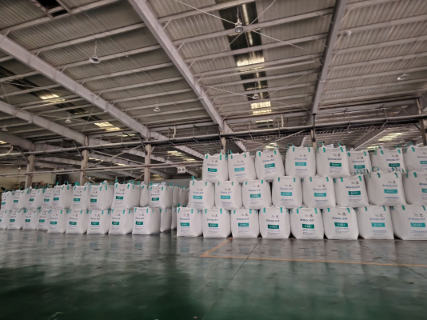
On 7 July 2025, Golden Data announced a partnership with Jiangsu Zhihao to bring smart-manufacturing technology to recycled-plastics production. With around 300,000 tonnes of annual capacity, the operation is a meaningful test of a simple idea: that recycling can be both greener and smarter at the same time.
Through this collaboration, Golden Data will implement advanced industrial digital technologies that seamlessly integrate intelligent production management, end-to-end supply-chain traceability and connected equipment. As the team puts it, "this partnership goes beyond technology — it is about building a scalable, replicable smart factory model."
Three pillars of the rPET smart factory
1. End-to-end traceability
Every batch of recycled material is tracked from intake to finished product, creating a transparent, auditable record. That traceability underpins quality, customer trust and the data needed for ESG and sustainability reporting.
2. AI-powered decision-making
Production, quality and equipment data are turned into decisions — not just dashboards — so the plant can optimise yield, reduce human error and respond to problems before they spread.
3. IoT equipment management
Connected equipment is monitored continuously, enabling condition-based and predictive maintenance instead of reactive firefighting.
Why a replicable model matters
The reason to engineer this as a template rather than a bespoke project is leverage: a proven rPET smart-factory blueprint can be rolled out to other recycling sites, accelerating the sector's digital and green transformation. This is the same philosophy behind EcoUp, our cloud product for recycling and process manufacturing.
The takeaway
Recycling is where sustainability and operational efficiency meet most directly. Making an rPET plant traceable, data-driven and connected does not just cut waste — it builds a model other plants can copy.